Presidential Amnesty, Reformation and the Fight Against Recidivism
August 20, 2025 Reduce Recidivism Ghana 2 min read
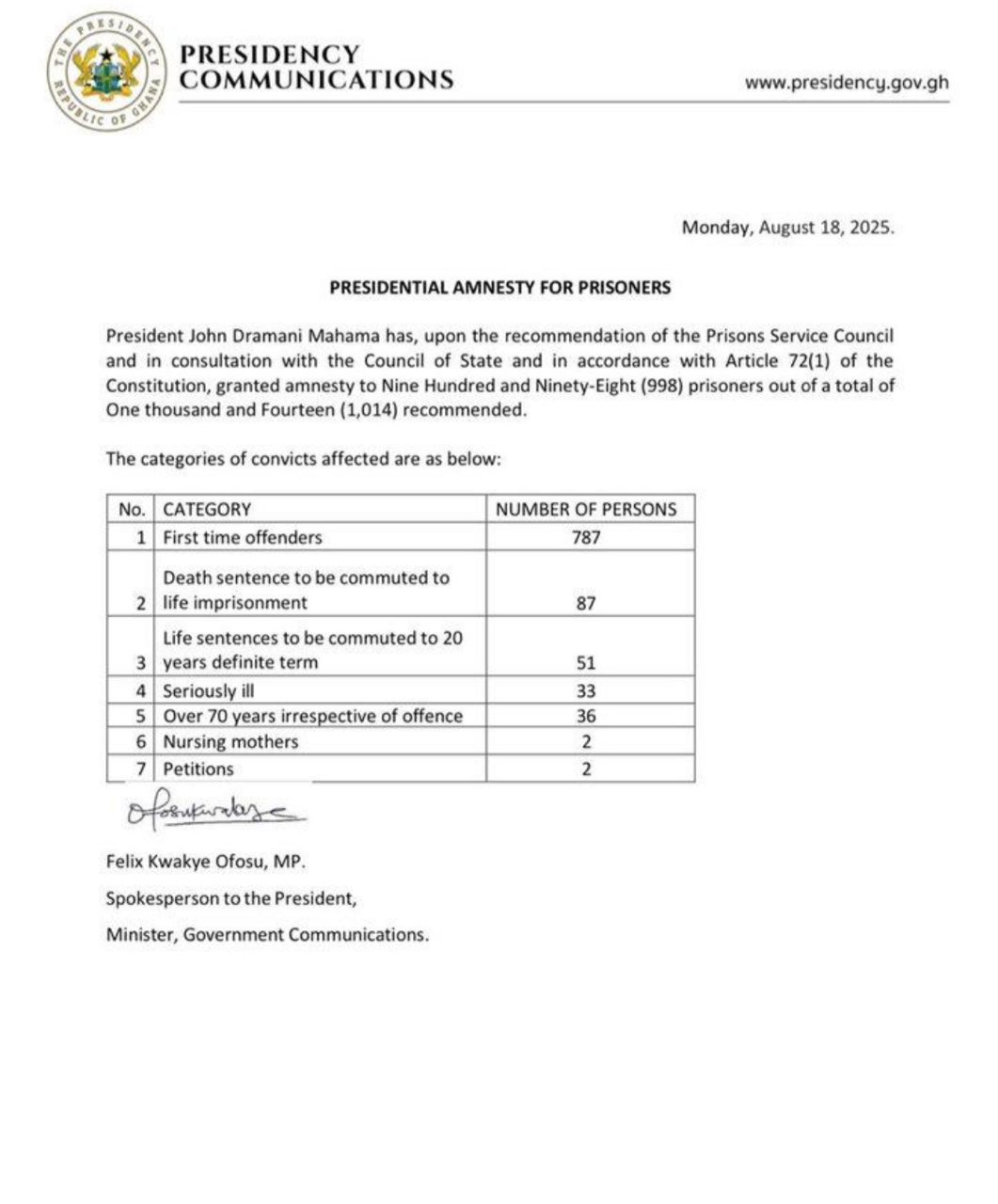
In a recent exercise of constitutional authority, the President of the Republic of Ghana granted amnesty to nearly one thousand inmates across various correctional centres in the country. The decision, rooted in Article 72 of Ghana’s Constitution, affirms the President’s legitimate power to remit sentences, pardon or commute punishments.
Importantly, such decisions are not taken in isolation — they are made in close consultation with the institutions that superintend correctional facilities, including the Ghana Prisons Service and the Council of State. This ensures the process is guided by fairness, humanitarian considerations and the broader goal of national reformation.
The Story Does Not End at the Prison Gates
While this gesture is laudable, inmates who gain their freedom often face harsh realities upon re-entering society. Stigma remains a formidable barrier; many are unfairly branded by their past, regardless of the reform they have undergone.
Beyond stigma, the greatest hurdle is economic survival. Financial struggles, lack of employment opportunities and overdependence on relatives often make reintegration difficult. This economic void has historically fuelled recidivism — the tragic cycle where ex-offenders fall back into crime simply as a means of survival.
Reformation, Not Perpetual Punishment
The true purpose of incarceration should be reformation and change, not perpetual punishment. To reduce recidivism and empower reformed citizens, skills training is indispensable.
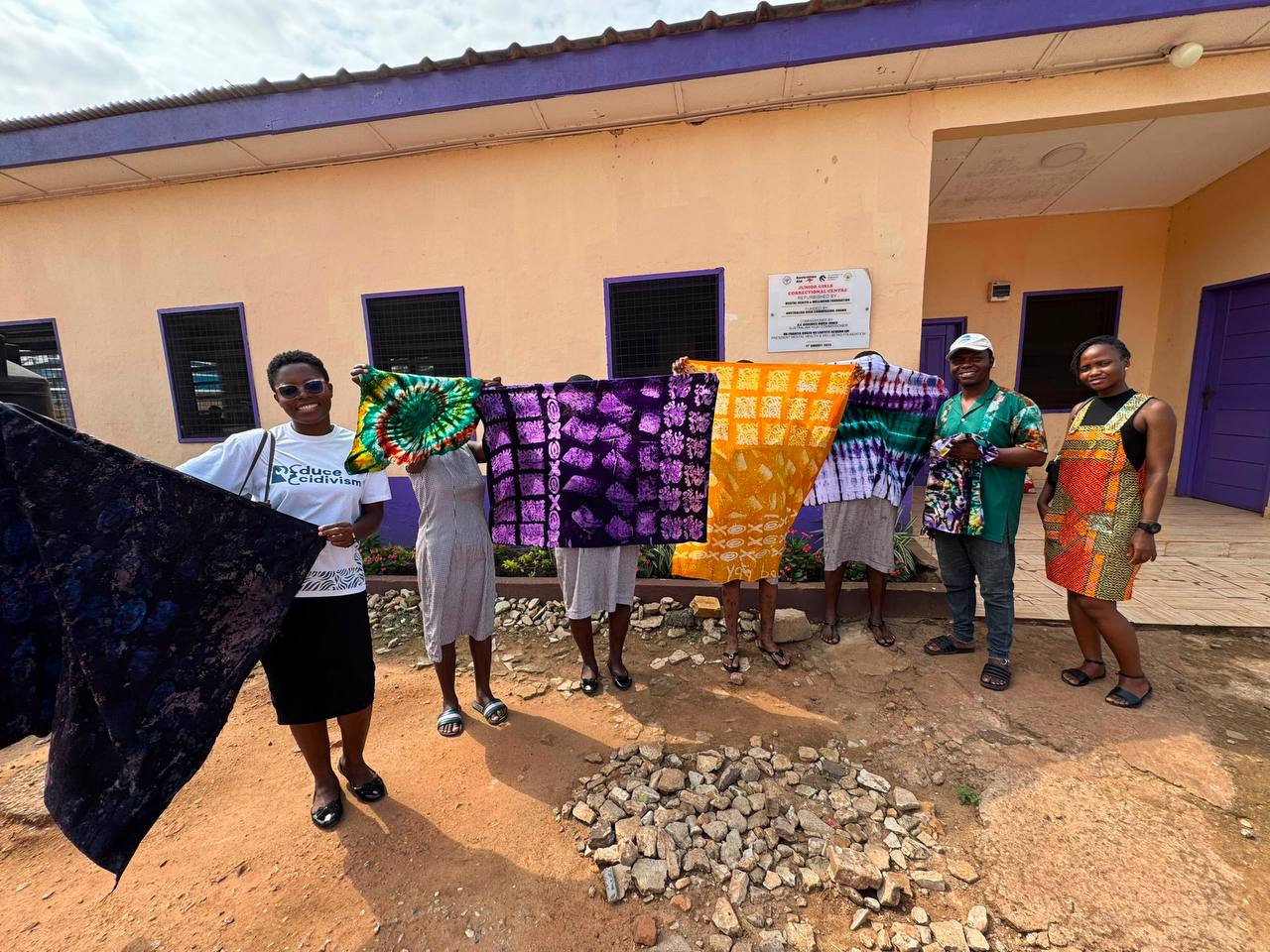
It is here that Reduce Recidivism Ghana, founded by Tracy Frimpong, plays its part — equipping young people with the practical skills, confidence and support they need to build honest livelihoods and never return.