Report On Stigmatisation Talk At The Junior Correctional Centre
July 10, 2026 Everloving Owusua Apenteng 2 min read
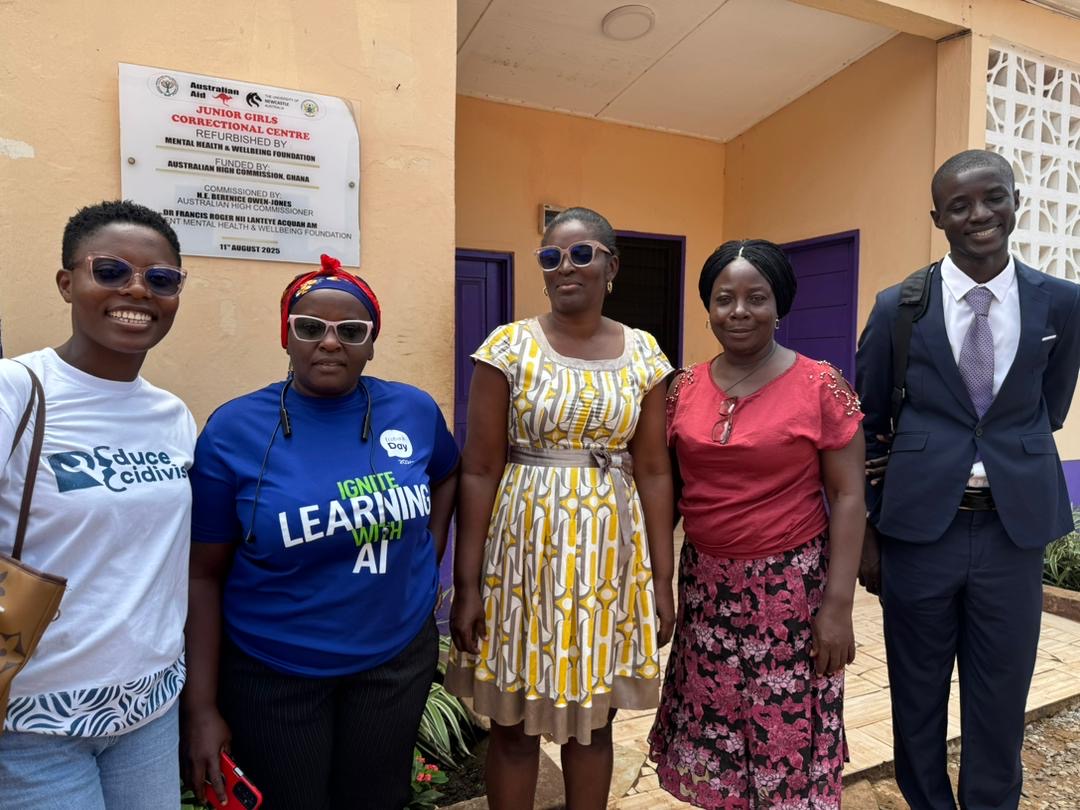
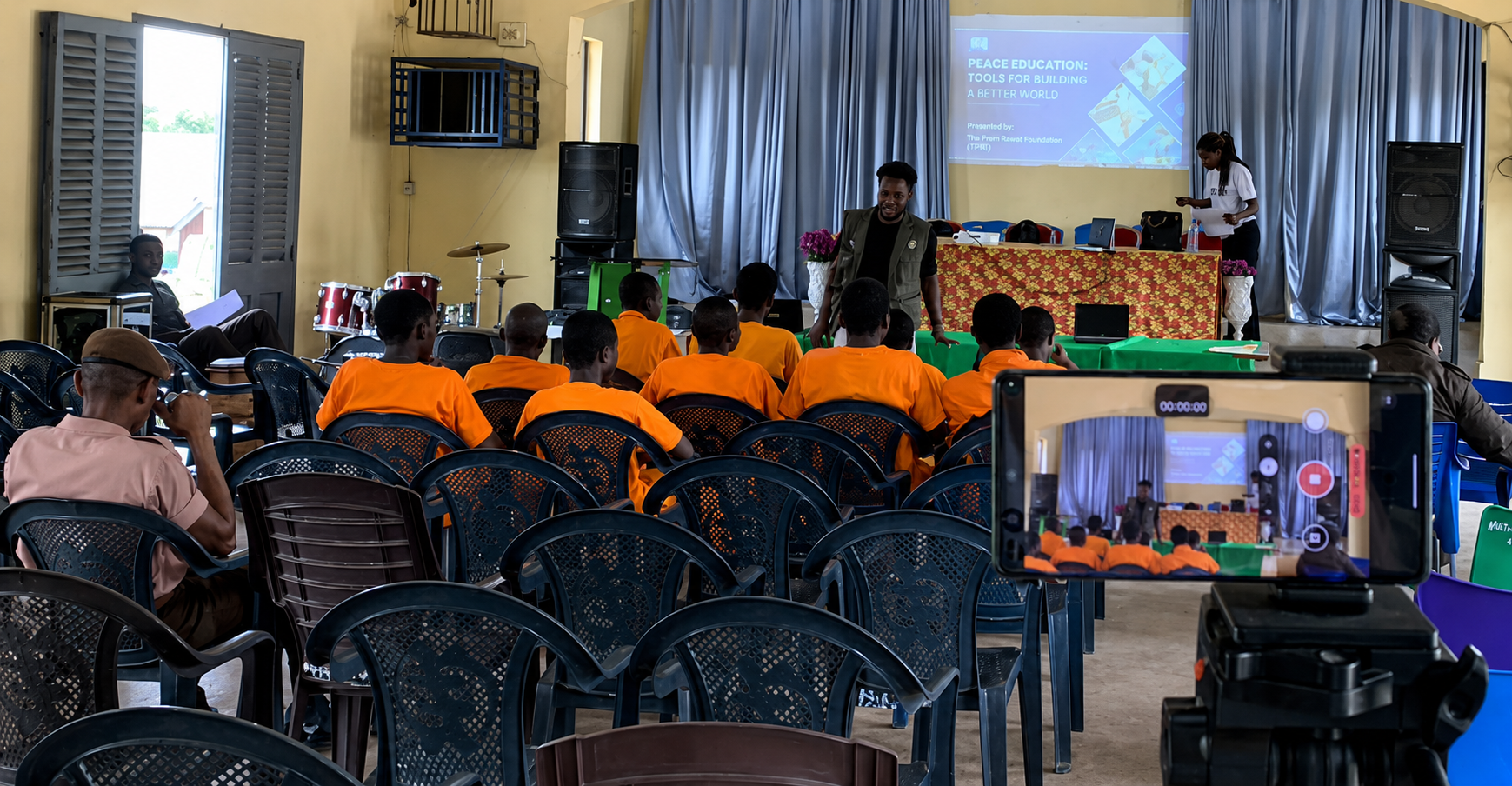
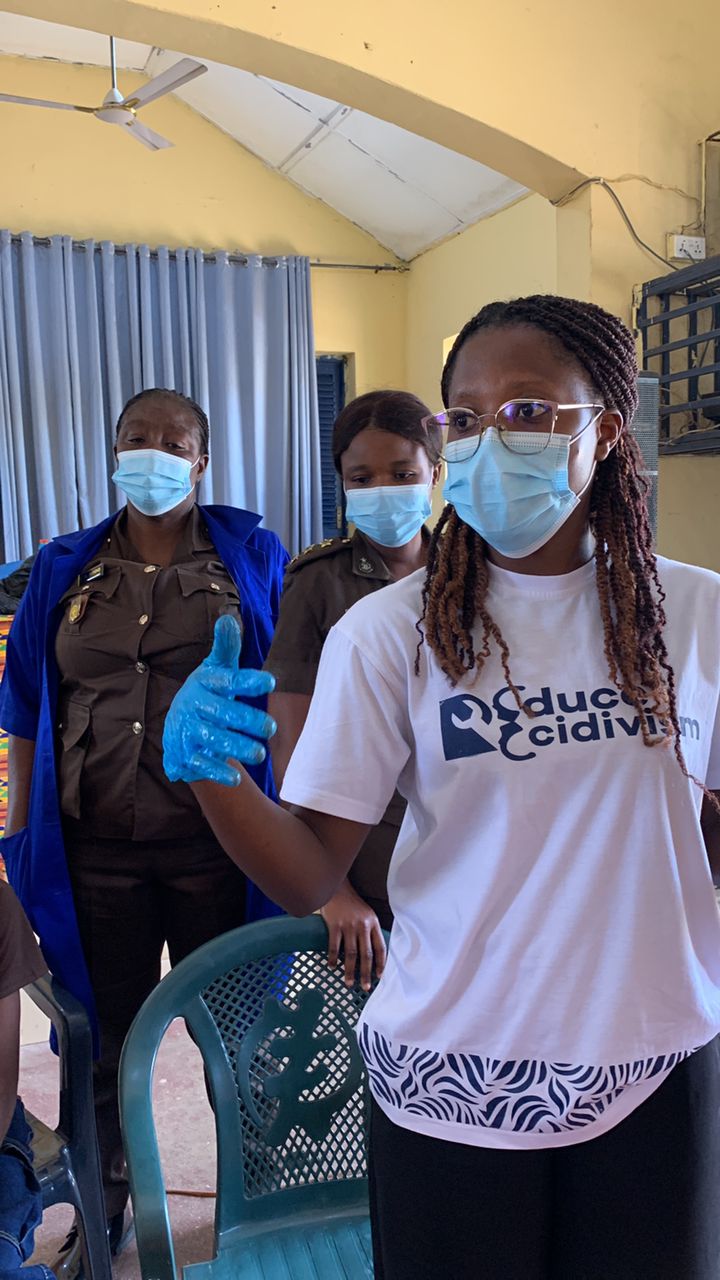
The scheduled engagement on ‘stigmatisation’ commenced exactly on time at the Junior Correctional Centre, establishing a structured and purposeful environment from the outset. The facilitation team was welcomed with a warm and affectionate reception by three correctional officers on duty and four juveniles currently in custody. This hospitable environment immediately defused initial anxieties, easing systemic tensions and cultivating a conducive, supportive atmosphere where the juveniles felt completely safe to express themselves in an open and relaxed manner.
Counsellor Michael Darko and Ms. Everloving Owusuaa Apenteng systematically guided the dialogue around the concept of stigmatisation. The discussion specifically unpacked three core social pillars where institutional and social stigma is most acutely felt by juveniles:
The Home: Addressing and navigating the intense emotional pain of perceived rejection, systemic suspicion, or isolation from immediate family members upon return.
The School: Deconstructing the deep-seated anxiety surrounding labels, social exclusion, and bias from educators and peers within the academic environment.
Friendships: Distinguishing between superficial, toxic peer dynamics that increase vulnerability and genuine, constructive support systems that aid long-term growth.
Following this comprehensive breakdown, the presentation pivoted into an empowering call to action. The facilitators directly encouraged the girls to consciously develop three foundational virtues—reliability, consistency, and truthfulness—as powerful, practical tools to dismantle external stigma. The session emphasized that by maintaining these transparent behaviors, they can strategically and progressively win back the love, trust, and support that may have been fractured through past actions or inactions.
The interaction was highly dynamic, characterized by sincere and robust contributions from both the juveniles and the correctional officers. Participants actively cleared their hearts and minds of long-held burdens, openly committing to translate these behavioral strategies into measurable actions within their personal development paths going forward. The candid dialogue fostered a unified sense of purpose between the residents and the staff, paving a clear mental highway toward rehabilitation.
Reduce Recidivism extends its immense appreciation to Counsellor Michael Darko and Ms. Everloving Owusuaa Apenteng for their profound dedication and brilliant execution of this program. Lives were deeply touched, and a powerful, visible impact was made. This initiative successfully advances the core objective of Reduce Recidivism: equipping and empowering prisoners—with a primary focus on juveniles across correctional centres in Ghana—to become self-aware, resilient, and self-sufficient individuals capable of a smooth and permanent reintegration into society.