MENTAL HEALTH TALK AT THE SENIOR CORRECTIONAL CENTRE
August 28, 2026 Reduce Recidivism Ghana 2 min read
our second mental health
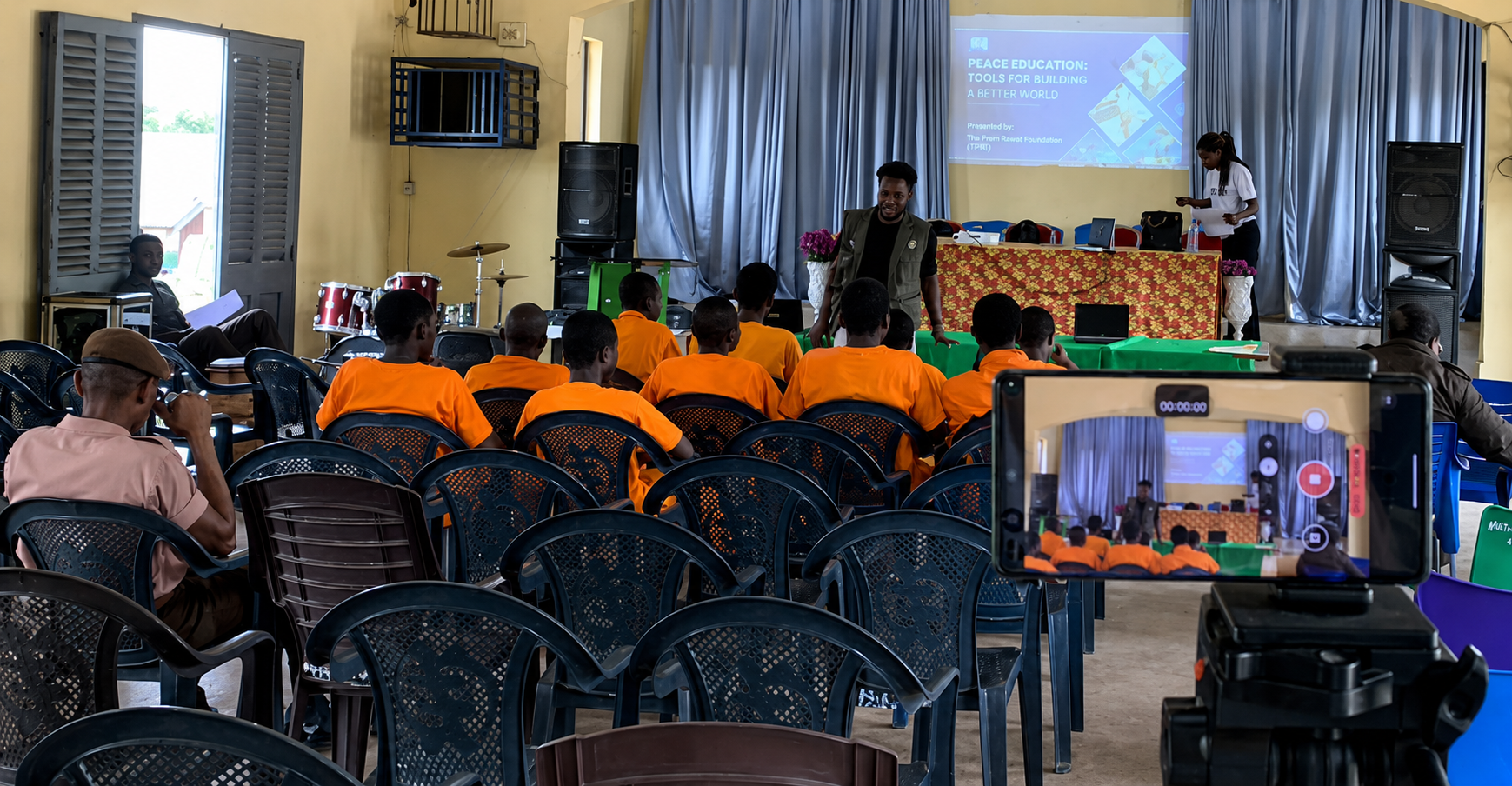
session at the Senior Correctional Centre on Monday, August 3, 2026, marked a
profound turning point in our outreach journey. Led by Mr. Michael Darko, the session
focused on community-level triggers, the realistic challenges of overcoming
past records, and the true meaning of personal maturity. What transpired during
those hours went far beyond a standard lecture—it evolved into a deeply moving
safe space characterized by genuine trust, vulnerability, and measurable
growth.
Mr. Darko opened the
discussion by helping the girls identify external triggers within their broader
surroundings. He emphasized a vital truth: while we cannot always control the
environments or people around us, we retain full power over how we respond.
This framed a pivotal question from one of the young participants, who asked
how they could possibly rebuild trust and confidence in a community that holds
onto their past mistakes. Addressing the unique realities of being in a
correctional center, Mr. Darko gently explained that people rarely erase past
memories entirely; instead, those negative impressions are pushed into the
background through consistent, positive action. Rebuilding credibility requires
a commitment to truthfulness, patience, and tangible change over time rather
than just words.
This guidance sparked a
powerful shift in the room, inspiring the participants to open up about their
own lives and the experiences that led to their stay at the center. The girls
shared openly, realizing that true strength lies in choosing peace over conflict.
One participant offered a particularly striking insight, sharing that she had
never realized seeking peace even when someone else is at fault is a mark of
true maturity, rather than remaining at loggerheads. Listening quietly as they
shared their stories, I witnessed
firsthand the remarkable shift in their mindsets—a clear transition from
hesitation to deep self-reflection and personal accountability.
Comparing this second
encounter to our initial talk highlight just how far these young women have
come. The level of openness we experienced offered powerful reassurance that
our message has taken root and that the girls are actively doing the internal work
to transform their lives. As a facilitator, seeing this tangible progress
reinforces the vital importance of our persistent efforts. It leaves us deeply
inspired and eager to return for future sessions, confident that these ongoing
conversations are helping clear a path toward a restored and promising future.